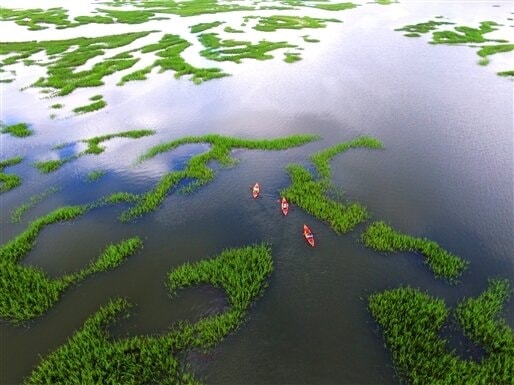
Most visitors come for the beach and leave having only scratched the surface. Hilton Head has 60 miles of bike trails, world-class golf, a thriving arts scene, and some of the best fishing on the East Coast.
More than a beach destination
Hilton Head Island has been one of America's premier resort destinations since the 1960s, and the activity options have grown to match. The island packs an extraordinary range of experiences into its 42 square miles: world-class golf courses, 60-plus miles of paved bike trails, a thriving restaurant and live music scene, dolphin watching tours, deep-sea fishing charters, kayaking through ancient salt marsh, and one of the most significant Gullah Geechee cultural heritage sites on the East Coast.
What makes Hilton Head different from other resort islands is the quality of the infrastructure. The bike trail network is genuinely excellent — paved, well-maintained, and extensive enough that you can spend a full day exploring without repeating a stretch. The golf courses are world-class, not just resort-grade. The restaurants have real ambition. And the natural environment — the salt marsh, the maritime forest, the tidal creeks — is protected and accessible in a way that's rare for a destination this popular.
This guide covers the full range of what the island offers, organized by category. Whether you're planning a first visit or looking for something new after years of coming back, there's more here than most people realize.
What to do, in depth
Twelve categories covering everything the island offers — from the obvious to the overlooked.
01
Beaches
Twelve miles of wide, hard-packed Atlantic beach — the island's defining feature.
Hilton Head's 12 miles of Atlantic Ocean beach are consistently ranked among the finest on the East Coast. The sand is wide and firm at low tide, the surf is gentle, and the water is warm from June through September. The six main public beach access points each have their own character: Coligny Beach Park is the most popular and family-friendly, with free parking, lifeguards in season, and a boardwalk lined with shops and restaurants. Driessen Beach Park on the north end is quieter, with a large parking lot and a playground. Folly Field, Burkes Beach, and Fish Haul Beach offer more solitude. The beaches inside Sea Pines — accessible to resort guests and day visitors — are among the most beautiful and uncrowded on the island.
Sixty-plus miles of paved paths through live oak canopies, salt marsh, and oceanfront.
The bike trail network is one of Hilton Head's greatest assets and one of the most underappreciated by first-time visitors. More than 60 miles of paved paths wind through live oak canopies, past salt marsh, along the oceanfront, and through every major resort community on the island. The trails are well-maintained, clearly signed, and genuinely beautiful — riding through the Sea Pines Forest Preserve or along the oceanfront path from Coligny to Harbour Town is one of the island's signature experiences. Bike rentals are available island-wide, with delivery to most accommodations. The path from Coligny Beach to Harbour Town covers about 5 miles of oceanfront and is the island's most popular ride. The Cross Island Connector links the north and south ends of the island for longer loops.
Dolphin tours, kayaking, paddleboarding, fishing charters, and sailing from multiple marinas.
The water is the heart of Hilton Head's outdoor experience. Dolphin watching tours run daily from Shelter Cove Marina and Broad Creek Marina — the bottlenose dolphin population in Calibogue Sound is large and reliably visible year-round. Kayak and paddleboard rentals are available at multiple locations, with calm-water routes through the salt marsh creeks ideal for beginners and experienced paddlers alike. Fishing charters range from half-day inshore trips targeting redfish and flounder to full-day offshore runs for mahi-mahi and wahoo. Sailing charters, parasailing, and jet ski rentals round out the options. Broad Creek is the best spot for beginners — calm, sheltered, and teeming with wildlife. Calibogue Sound and Port Royal Sound offer more open water for experienced boaters.
More than 20 courses, including Harbour Town Golf Links — home of the RBC Heritage PGA Tour event.
Hilton Head Island has been one of America's premier golf destinations since Pete Dye designed Harbour Town Golf Links in 1969. The island now has more than 20 courses, ranging from the world-famous Harbour Town (home of the annual RBC Heritage PGA Tour event each April) to resort courses at Palmetto Dunes, Shipyard, and Port Royal. The island's mild climate means golf is playable year-round, though summer afternoons can be hot and humid. Tee times at the top courses book weeks out in peak season — plan ahead. The island also has excellent practice facilities, a strong junior golf culture, and several courses that offer good value for recreational players.
The island's two most iconic gathering places — a lighthouse marina and a waterfront town center.
Harbour Town is the most photographed spot on Hilton Head Island — the red-and-white striped lighthouse, the marina full of sailboats, the live oak canopy overhead. It's the heart of Sea Pines Resort and one of the most beautiful marina settings on the East Coast. The lighthouse is open for climbing (small fee), and the views from the top are worth it. The shops and restaurants around the marina are a good mix of casual and upscale. Shelter Cove Harbour, on the mid-island, is a more modern waterfront development with a good mix of restaurants, shops, and a marina that serves as the departure point for many dolphin tours and fishing charters. The Tuesday evening Shelter Cove Harbour Town Concert Series runs through the summer.
More than 300 tennis courts and a growing pickleball scene across the island's resort communities.
Hilton Head Island has one of the highest concentrations of tennis courts per capita in the United States — more than 300 courts spread across the island's resort communities. The Van der Meer Tennis Center is one of the most respected tennis academies in the country, offering clinics and instruction for all levels. Palmetto Dunes, Sea Pines, and Port Royal all have excellent tennis facilities open to guests and day visitors. Pickleball has grown rapidly on the island in recent years, with dedicated courts now available at several locations. The Hilton Head Island Recreation Association runs leagues and open play sessions throughout the year.
Salt marsh kayaking, sea turtle nesting season, Pinckney Island Wildlife Refuge, and the Coastal Discovery Museum.
The natural environment is one of Hilton Head's greatest assets. The Sea Pines Forest Preserve covers 605 acres of maritime forest, freshwater lagoons, and salt marsh in the heart of Sea Pines Resort — free to enter for resort guests, small fee for day visitors. The Coastal Discovery Museum at Honey Horn offers rotating exhibitions on Lowcountry ecology, Gullah Geechee history, and the island's natural heritage. The Pinckney Island National Wildlife Refuge, just across the bridge from the island, is one of the best birding spots on the East Coast — more than 300 species have been recorded there. Loggerhead sea turtle nesting season runs May through October, and the Sea Turtle Patrol volunteers offer guided beach walks during the season.
Mini golf, go-karts, the Sandbox children's museum, and a beach environment that's genuinely safe for young children.
Hilton Head is consistently ranked among the best family beach destinations on the East Coast, and the infrastructure backs that up. The beaches are calm and shallow — ideal for young children. The bike trail network is safe and car-free. The Sandbox, a children's museum in Coligny Plaza, is excellent for rainy days. Adventure Cove and other mini golf and go-kart venues provide classic beach vacation entertainment. The Coastal Discovery Museum has hands-on exhibits designed for children. Dolphin watching tours are a reliable hit with kids of all ages. The island's resort communities all have pools, playgrounds, and organized activities for children during the summer season.
The Arts Center of Coastal Carolina, the Gullah Geechee heritage corridor, and the Coastal Discovery Museum.
The Arts Center of Coastal Carolina runs year-round productions — Broadway touring shows, local theater, and concerts — in a proper 350-seat venue. The Gullah Geechee Cultural Heritage Corridor passes through Hilton Head, and the island's Gullah Geechee community has maintained its language, traditions, and food culture for generations. The Mitchelville Freedom Park at the north end of the island marks the site of the first self-governed freedmen's community in the United States, established in 1861. The Coastal Discovery Museum at Honey Horn offers the best introduction to the island's layered history — from the Muscogee people who first inhabited the island to the Civil War occupation to the resort development of the 1960s.
Waterfront dining at Skull Creek and Harbour Town, serious cocktail bars, and live music anchored by The Jazz Corner.
The island's restaurant scene has matured significantly in the past decade. The best dining is concentrated around Harbour Town, Shelter Cove, and Skull Creek — all waterfront settings with serious kitchens. The Jazz Corner in the Village at Wexford is one of the best jazz venues in the Southeast, with live music seven nights a week. Skull Creek Boathouse is the island's most beloved casual waterfront restaurant, with a dock bar and sunset views that are hard to beat. The nightlife scene is centered on the north end of the island, with several bars and live music venues within walking distance of each other. The island's restaurant scene is covered in detail in the dining guide.
Coligny Plaza, Shelter Cove Towne Centre, and the boutiques of Harbour Town and the Village at Wexford.
Shopping on Hilton Head ranges from the casual beach-town retail of Coligny Plaza to the upscale boutiques of the Village at Wexford and Harbour Town. Coligny Plaza is the island's main commercial hub — grocery stores, beach gear, restaurants, and a good mix of local and national retailers. Shelter Cove Towne Centre is a more polished outdoor mall with a waterfront setting. The Village at Wexford has the island's best concentration of independent boutiques, galleries, and specialty shops. Harbour Town's marina-side shops lean toward nautical gifts and resort wear. The island also has several art galleries worth visiting — the Hilton Head Art League and the Red Piano Too Gallery are good starting points.
The Sandbox children's museum, bowling, movie theaters, and the Coastal Discovery Museum for when the weather doesn't cooperate.
Hilton Head gets about 50 inches of rain per year, mostly in the form of afternoon thunderstorms in summer. When the weather doesn't cooperate, the island has a solid set of indoor options. The Sandbox children's museum in Coligny Plaza is excellent for families with young children. The Coastal Discovery Museum at Honey Horn is worth a full morning. The island has a bowling alley, a movie theater, and several escape room venues. The Arts Center of Coastal Carolina runs matinee performances during the summer season. Many of the island's best restaurants are ideal for a long lunch on a rainy afternoon — the covered outdoor dining at Shelter Cove is a good option when it's raining lightly.
What are the best things to do on Hilton Head Island?
The top experiences on Hilton Head Island include dolphin watching tours, kayaking through the salt marsh, biking the 60-mile trail network, playing golf on world-class courses, visiting Harbour Town Lighthouse, exploring the beaches, and dining at the island's waterfront restaurants. The Coastal Discovery Museum and the Pinckney Island Wildlife Refuge are excellent for nature lovers.
Is Hilton Head Island good for families?
Yes — Hilton Head Island is consistently ranked among the best family beach destinations on the East Coast. The beaches are calm and shallow, the bike trail network is safe and car-free, and there are excellent family-oriented activities including dolphin tours, the Sandbox children's museum, mini golf, and the Coastal Discovery Museum. The island's resort communities all have pools and organized activities for children.
What outdoor activities are available on Hilton Head?
Hilton Head Island offers an exceptional range of outdoor activities: kayaking and paddleboarding through the salt marsh, dolphin watching tours, fishing charters (inshore and offshore), biking on 60-plus miles of paved trails, beach volleyball, parasailing, sailing, tennis and pickleball, golf on 20-plus courses, and wildlife tours through the Pinckney Island National Wildlife Refuge and Sea Pines Forest Preserve.
What is there to do on Hilton Head on a rainy day?
Rainy day options include the Sandbox children's museum in Coligny Plaza, the Coastal Discovery Museum at Honey Horn, the Arts Center of Coastal Carolina, bowling, a movie theater, and several escape room venues. Many of the island's best restaurants are ideal for a long lunch when the weather doesn't cooperate. Summer rain on Hilton Head is usually in the form of afternoon thunderstorms that pass quickly.
How many days do you need on Hilton Head Island?
Most visitors stay 4–7 nights, which is enough time to explore the beaches, do a dolphin tour, bike the main trail network, play a round of golf, and sample the restaurant scene. A long weekend (3 nights) is enough for a focused beach vacation. Two weeks is not too long if you want to explore the island thoroughly — there's more here than most people realize on a first visit.
Find local businesses
Browse the directory
Every outfitter, tour operator, and activity provider in this guide is listed in the local directory with contact information and direct links.