
Nature & wildlife guide
Nature & Wildlife on Hilton Head
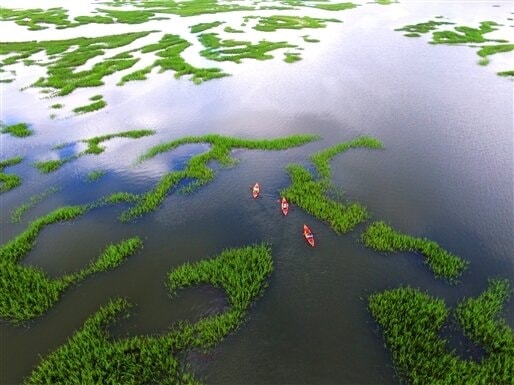
Two-thirds of Hilton Head Island is protected open space — salt marshes, maritime forests, tidal creeks, and pristine beaches that support one of the richest ecosystems on the Atlantic coast. The wildlife here isn't a backdrop. It's the main event.
An island built around conservation
When Charles Fraser developed Sea Pines in the 1950s and 60s, he made a then-radical decision: preserve the trees, the marshes, and the wildlife corridors rather than clear them. That philosophy shaped the entire island. Today roughly two-thirds of Hilton Head's land area is protected from development — a patchwork of nature preserves, wildlife corridors, and conservation easements that makes the island one of the most ecologically intact barrier islands on the East Coast. The result is a place where white-tailed deer graze at dusk, alligators sun themselves beside bike paths, and great blue herons stand motionless in the shallows just yards from resort pools.
Dolphins: the island's most beloved residents
Hilton Head's bottlenose dolphins are famous for a behavior found almost nowhere else in the world: strand feeding. At certain tidal flats — most reliably near Braddock Cove and along the north shore — dolphins work together to herd fish onto the mudflats, then beach themselves briefly to grab their prey before sliding back into the water. It's a learned behavior passed down through generations of local dolphin families. Dolphin watching boat tours depart from Shelter Cove Harbour and Broad Creek Marina daily, and kayakers frequently encounter dolphins in the tidal creeks. The best viewing is typically at low tide in the early morning.
Sea turtle nesting season
From May through October, loggerhead sea turtles come ashore on Hilton Head's beaches to nest — one of the most significant nesting populations on the South Carolina coast. The Hilton Head Island Sea Turtle Patrol monitors nests nightly during the season, marking them with stakes and educating beachgoers about keeping the beach dark and clear of obstacles. Hatchlings emerge primarily in August and September, making their way to the ocean guided by the natural light of the horizon. Witnessing a nest emergence is one of the most memorable wildlife experiences the island offers — the Turtle Patrol posts updates on social media when emergences are expected.
Birding: a world-class destination
Hilton Head sits along the Atlantic Flyway, making it an exceptional birding destination year-round. The island's salt marshes, tidal flats, and maritime forests attract over 350 recorded species. Pinckney Island National Wildlife Refuge, just across the bridge on the mainland, is one of the finest birding spots in the Southeast — a 4,053-acre preserve with miles of trails through freshwater ponds, salt marshes, and upland habitats. Roseate spoonbills, painted buntings, wood storks, and bald eagles are among the more spectacular species regularly spotted. The Audubon Society of the Low Country leads guided birding walks on the island throughout the year.
Alligators: living alongside a prehistoric neighbor
Hilton Head has an estimated 3,000 to 5,000 alligators — roughly one for every two human residents. They inhabit the island's 200-plus lagoons, tidal creeks, and freshwater ponds, and sightings are a routine part of island life. Most alligators are shy and will retreat into the water when approached, but they should never be fed or provoked. The best viewing is from a safe distance on the banks of lagoons, particularly in the early morning and late afternoon when alligators bask in the sun. Lawton Stables at Sea Pines offers a nature tour that passes through alligator habitat, and kayak tours through the tidal creeks frequently encounter them.
Pinckney Island and the nature preserves
Pinckney Island National Wildlife Refuge is the crown jewel of the Hilton Head area's natural lands — a 4,053-acre preserve managed by the U.S. Fish & Wildlife Service that is free to enter and open year-round. The refuge has 14 miles of unpaved trails through diverse habitats, and wildlife viewing is exceptional in every season. On the island itself, the Sea Pines Forest Preserve offers 605 acres of maritime forest with walking trails, a 3,400-year-old Native American shell ring, and abundant wildlife. Audubon Newhall Preserve in Palmetto Dunes is a smaller but beautifully maintained native plant sanctuary with interpretive signage.
Nature & wildlife questions
Is it safe to swim near dolphins on Hilton Head?
Dolphins are wild animals and should not be approached, touched, or fed. Federal law prohibits harassment of marine mammals. Enjoy them from a respectful distance — from the beach, a kayak, or a tour boat. Reputable dolphin watching tours follow guidelines that protect the animals.
When is sea turtle nesting season on Hilton Head?
Loggerhead sea turtles nest on Hilton Head beaches from May through October. Hatchlings typically emerge in August and September. The Hilton Head Island Sea Turtle Patrol monitors nests and posts updates when emergences are expected. Keep beaches dark and clear of obstacles to protect nesting turtles.
Are the alligators on Hilton Head dangerous?
Hilton Head's alligators are wild animals and should be treated with respect. Never feed, approach, or provoke them. Keep children and pets away from lagoon banks. Alligators are most active in warm months and at dawn and dusk. Unprovoked attacks are extremely rare, but maintaining a safe distance is essential.
Is Pinckney Island free to visit?
Yes — Pinckney Island National Wildlife Refuge is free to enter and open year-round from sunrise to sunset. There are no facilities on the island, so bring water, sunscreen, and insect repellent. The refuge is accessible by foot or bicycle only — no vehicles are permitted beyond the parking area.
Explore more
The island has more to discover
Nature is woven into everything on Hilton Head — from the beaches and marshes to the bike trails and golf courses. Explore the full guide to outdoor activities and things to do.
Browse things to do